

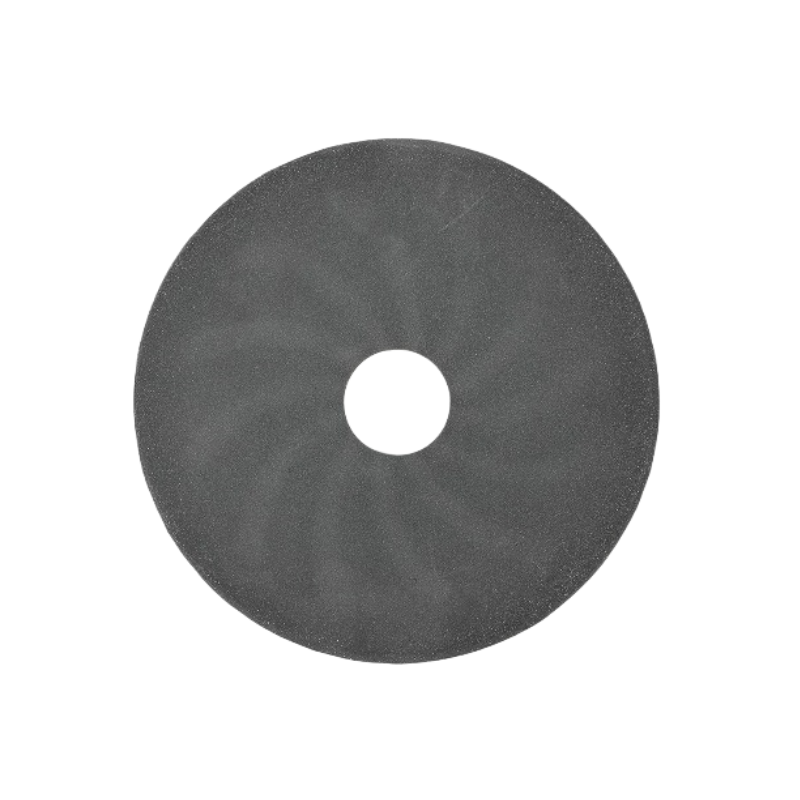
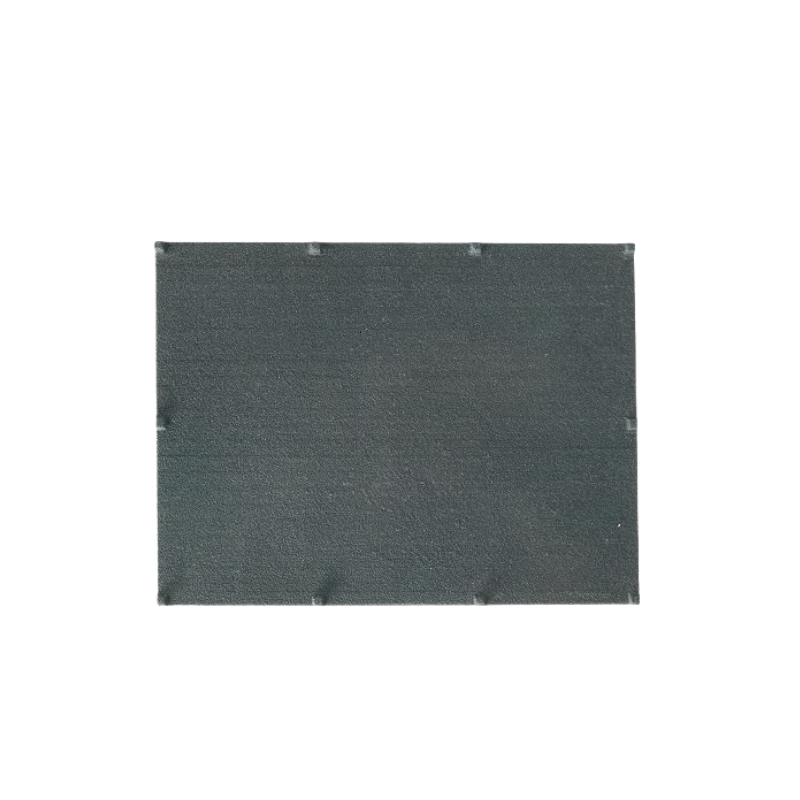
Il dispose généralement d'un petit espace. On utilise souvent des étagères rondes ou de petites étagères carrées directement pour un agencement flexible.
Étape 2 : Examiner le produit
Céramiques ordinaires, briques/carreaux :
Les plaques de four carrées standard sont le choix le plus économique.
Céramiques électroniques de haute valeur, céramiques spéciales :
Il est recommandé d'utiliser des plaques de four de haute qualité présentant une surface de haute qualité et une bonne planéité, ou des dispositifs de réglage de forme spéciale sur mesure pour garantir la précision du produit.Objets d'art/Céramiques nécessitant une protection contre les intempéries :
Vous devez utiliser "Saggers" pour créer un micro-environnement indépendant.Métal en fusion :
Choisissez des creusets dédiés.Étape 3 : Examiner le processus
Température de cuisson :Assurez-vous que la température de service maximale des éléments de four en SiC sélectionnés soit supérieure à votre température de cuisson.
Taux de chauffage/refroidissement :Si le procédé nécessite une cuisson rapide (par exemple, pour les matériaux des batteries au lithium), l'excellente conductivité thermique et la résistance aux chocs thermiques du carbure de silicium en font le choix idéal.
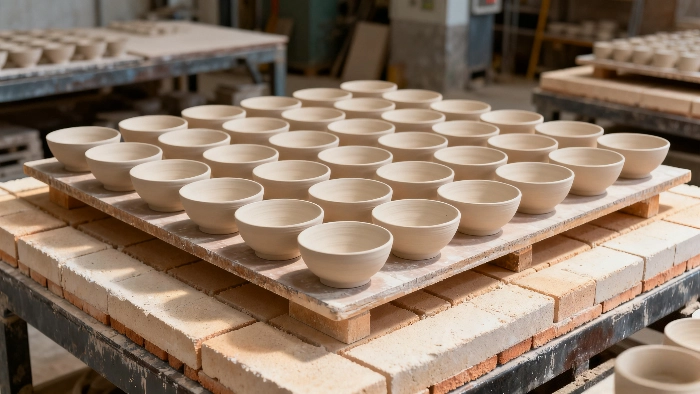
Atmosphère du four :
En atmosphère réductrice, il convient de choisir du carbure de silicium recristallisé ou du carbure de silicium lié par réaction avec un revêtement protecteur afin d'éviter l'oxydation.
Conclusion
Les éléments de four en carbure de silicium sont bien plus qu'un simple outil auxiliaire ; ils constituent la pierre angulaire d'un fonctionnement efficace et précis des fours. Choisir judicieusement la forme de ces éléments et les adapter parfaitement à votre four permet non seulement d'améliorer la qualité des produits et de réduire le taux de rebut, mais aussi d'accroître significativement la productivité en augmentant la densité de chargement et la vitesse de cuisson, ce qui se traduit par des gains économiques importants.
[Contactez-nous pour vous renseigner ou passer commande] ou [Appelez notre ligne d'assistance].
Nous pouvons également répondre à vos besoins, même pour les petites commandes. Cliquez ici pour visiter notre site de vente au détail officiel et découvrir nos produits dès maintenant !kilnshelves-sic.com
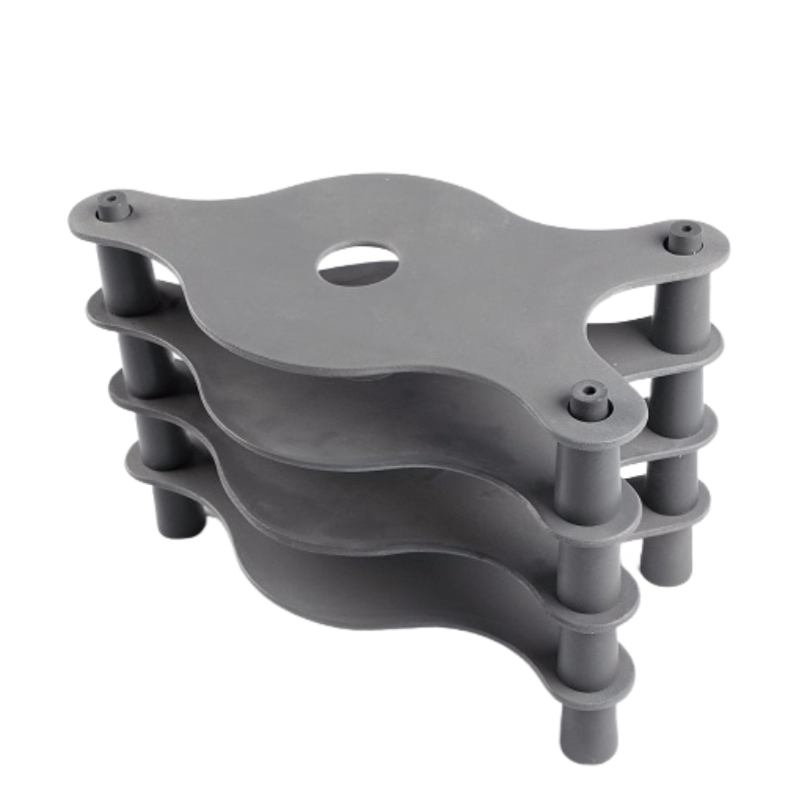
Function: Vertical support, the basic component for building the height inside a kiln car or kiln.
Compatible Kilns: Almost all kilns requiring multi-layer stacking, like Shuttle Kilns, Tunnel Kilns, Roller Hearth Kilns.
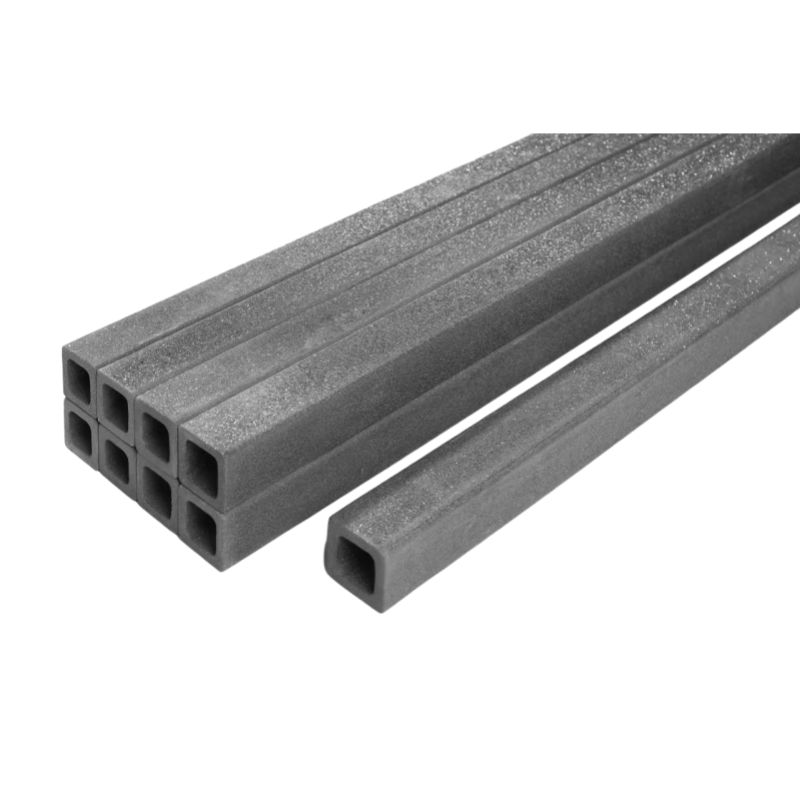
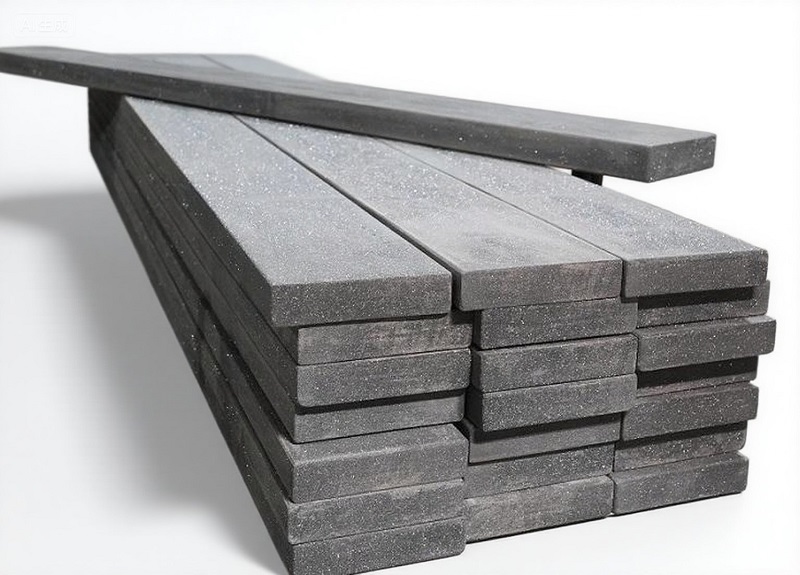
Beams (Kiln Beams):
Shape: Long I-beams, rectangular beams, or special-shaped beams.
Function: Span between kiln posts to form a load-bearing framework for supporting Kiln Shelves.
Compatible Kilns: Shuttle Kilns, Car Bottom Kilns, and other intermittent kilns requiring large spans and high load-bearing capacity.
2. Kiln Shelf Class: The "Stage" for Products
These are the flat carriers on which products are placed directly for firing.
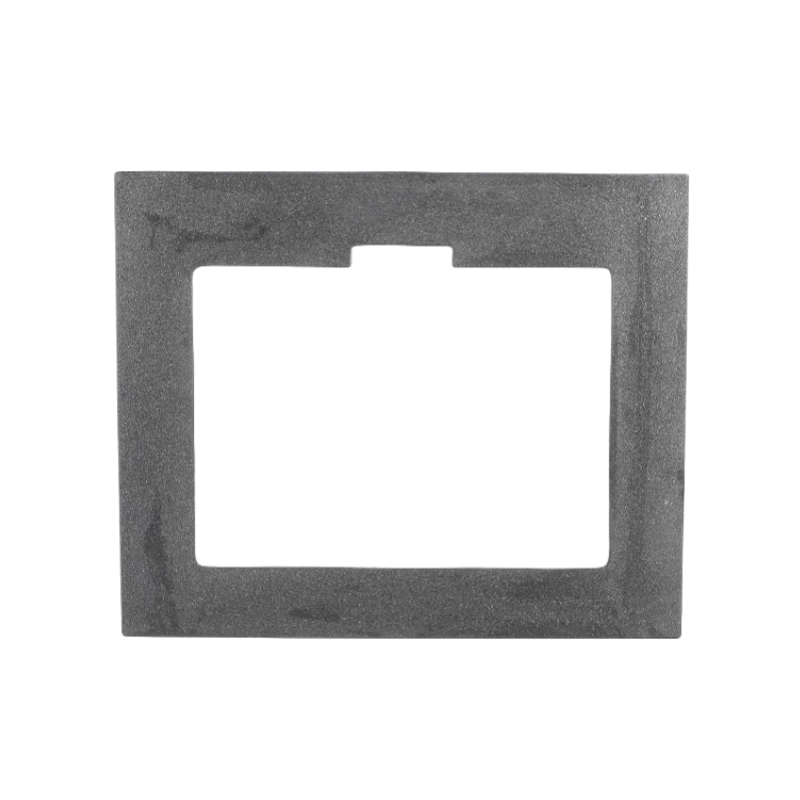
Square/Rectangular Shelves:
Shape: Standard flat plates, available in various sizes.
Function: The most versatile, can be used for placing various ceramics, electronic components, etc.
Compatible Kilns: Shuttle Kilns, Tunnel Kilns, making full use of the rectangular kiln space.
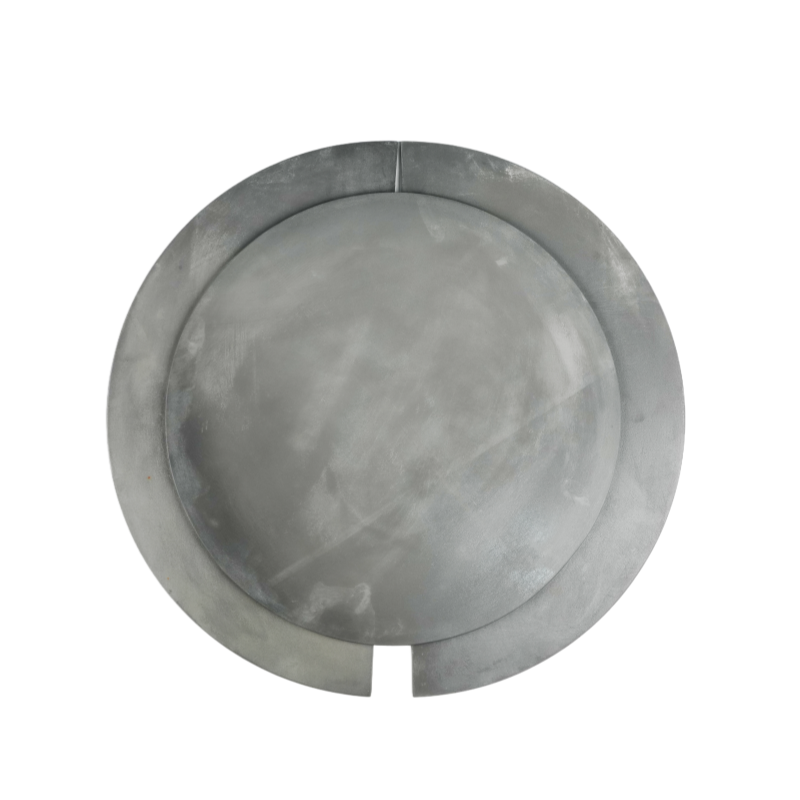
Round Shelves (Circular Setters):
Shape: Disc-shaped.
Function: Often used for firing round ware like plates and bowls, or in small Laboratory Electric Kilns for easy loading and unloading.
Compatible Kilns: Small Shuttle Kilns, Laboratory Electric Kilns.
Special-Shaped Shelves:
Shape: Grooved plates, support plates, etc., designed according to the specific shape of the product.
Function: Specifically used to fix particular products (e.g., high-voltage electrical porcelain insulators, special ceramics) to prevent rolling or deformation during firing.
Compatible Kilns: Tunnel Kilns, Shuttle Kilns, used for specialized production of specific products.
3. Sagger Class: The "Private Room" for Products
Shape: Box-shaped, cylindrical, or rectangular containers with an open top.
Function: Completely encloses the product, isolating it from the kiln atmosphere and flames. Mainly used for:
Atmosphere-Protected Firing (e.g., reducing flame for porcelain).
Preventing Product Contamination (e.g., from volatilized glaze contaminating other products or the kiln wall).
Stacking small or fragile products.
Compatible Kilns: Shuttle Kilns, Tunnel Kilns, especially indispensable for processes with strict atmosphere requirements.
4. Roller Class: The "Conveyor Belt" for Continuous Production
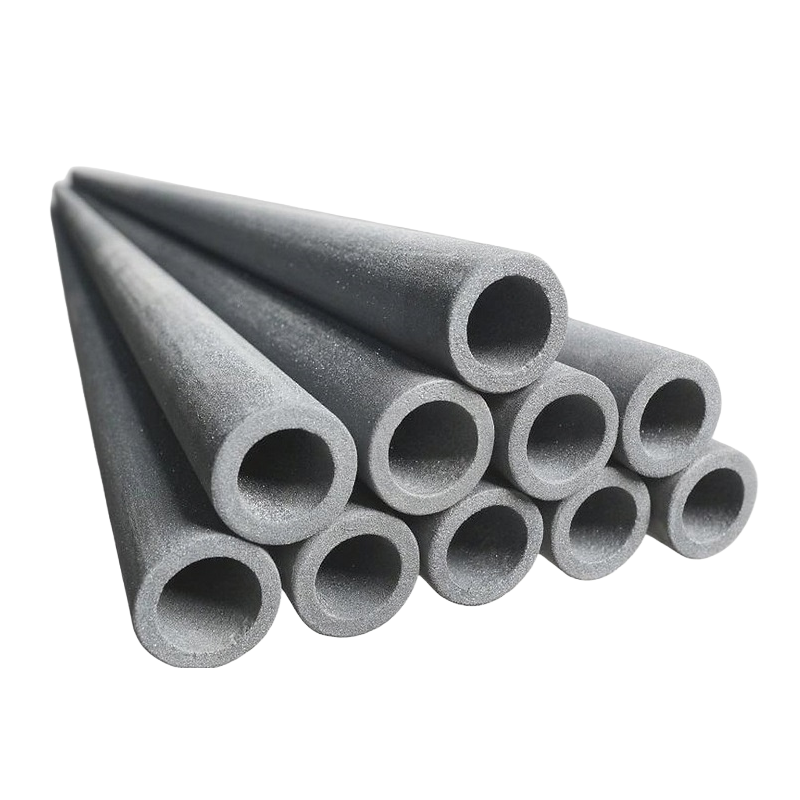
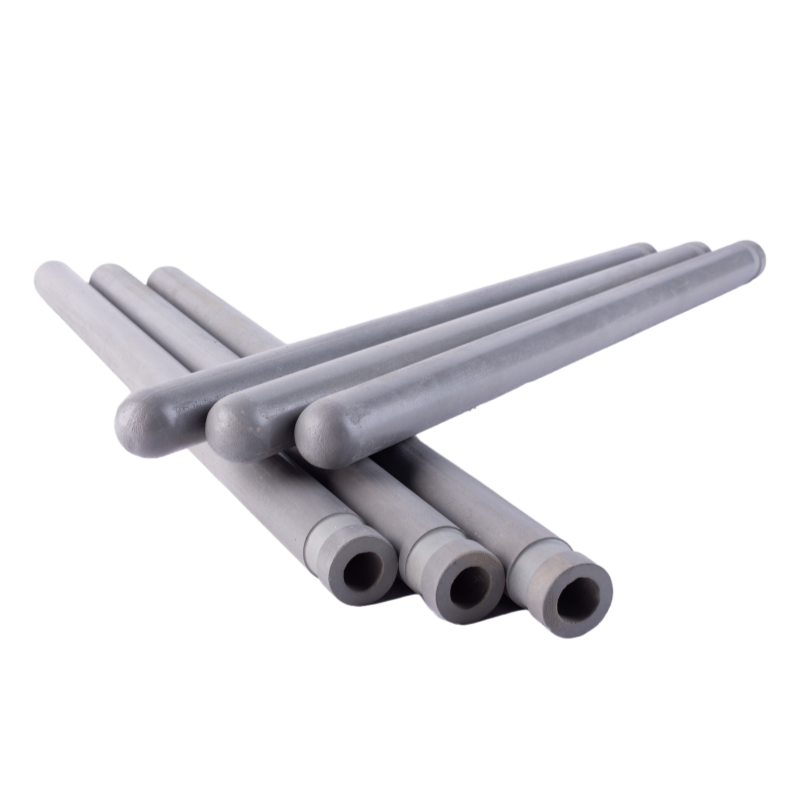
Shape: Long, straight hollow tubes.
Function: Serve as the core component of Roller Hearth Kilns, transporting products through their own rotation to achieve continuous production.
Compatible Kilns: Exclusively for Roller Hearth Kilns. Requires extremely high straightness, strength, and stability.
5. Special Accessories: The "Experts" for Specific Problems
Push Plates:
Shape: Square or rectangular thick plates.
Function: In Push Plate Kilns, they carry products and are sequentially pushed into the kiln on the kiln base track.
Compatible Kilns: Push Plate Kilns.
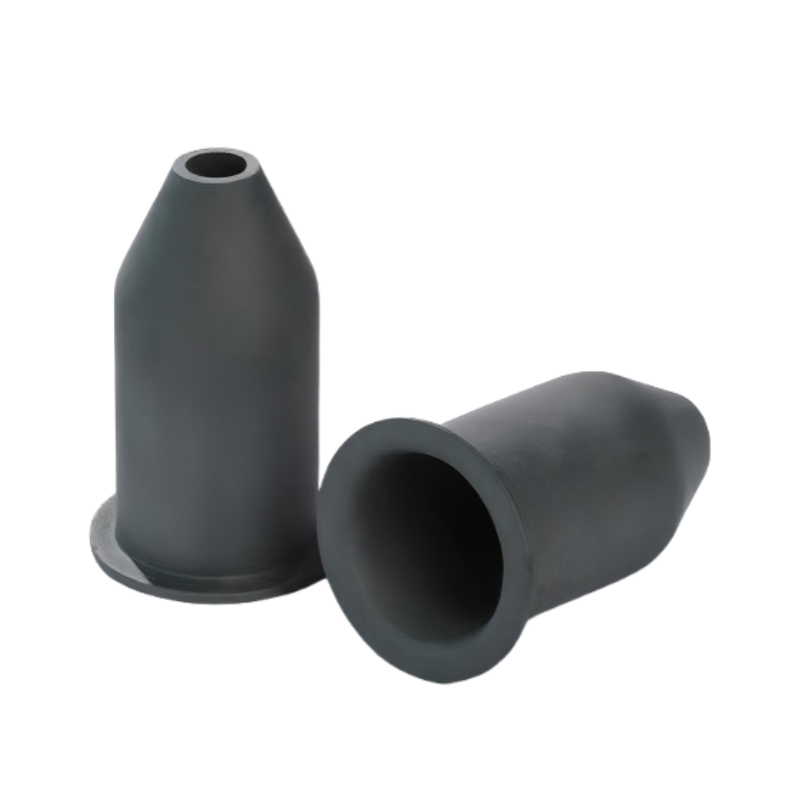
Crucibles:
Shape: Cup-shaped or pot-like containers.
Function: Used for metal melting or the synthesis of certain materials.
Compatible Kilns: Melting Furnaces, Induction Furnaces.
How to Choose the "Perfect Match" for Your Kiln?
Now that you understand the various shapes, how do you make the right choice? Please follow these steps:
Step 1: Consider the Kiln Type
Shuttle Kiln / Car Bottom Kiln: This is the most widely used kiln type for SiC kiln furniture. It typically requires a combination of "Kiln Posts + Beams + Kiln Shelves" to build a stable firing structure. Load capacity and high-temperature strength are primary considerations.
Tunnel Kiln: Similar to shuttle kilns, but places more emphasis on the dimensional consistency and durability of the kiln furniture to ensure stability during long-term continuous operation. Also requires "Kiln Posts + Kiln Shelves" or the use of "Saggers".
Roller Hearth Kiln: The core is the "Rollers". Products are placed directly on the rollers, so supports and shelves are not needed. Focus on the straightness, diameter, and high-temperature bending strength of the rollers.
Push Plate Kiln: The core is the "Push Plate". Products are placed directly on the push plates. Requirements for flatness, wear resistance, and thermal shock resistance of the push plates are very high.
Laboratory Electric Kiln: Usually has a small space. Often uses "Round Shelves" or small "Square Shelves" directly for flexible placement.
Step 2: Consider the Product
Ordinary Ceramics, Bricks/Tiles: Standard square kiln shelves are the most cost-effective choice.
High-Value Electronic Ceramics, Special Ceramics: Recommended to use high-quality kiln shelves with high surface quality and good flatness, or custom special-shaped setters to ensure product precision.
Artware/Ceramics Requiring Atmosphere Protection: Must use "Saggers" to create an independent micro-environment.
Molten Metal: Choose dedicated "Crucibles".
Step 3: Consider the Process
Firing Temperature: Ensure the maximum service temperature of the selected SiC kiln furniture is higher than your firing temperature.
Heating/Cooling Rate: If the process requires rapid firing (e.g., lithium battery materials), the excellent thermal conductivity and thermal shock resistance of silicon carbide make it the ideal choice.
Kiln Atmosphere: In a reducing atmosphere, recrystallized silicon carbide or reaction-bonded silicon carbide with a protective coating should be selected to prevent oxidation.
Conclusion
Silicon carbide kiln furniture is far from being a simple auxiliary tool; it is the cornerstone for the efficient and precise operation of kilns. Correctly selecting the shape of the kiln furniture and perfectly matching it with your kiln can not only improve product quality and reduce the rejection rate but also significantly enhance production efficiency by increasing loading density and accelerating firing speed, ultimately creating greater economic benefits for you.
[Contact us to Inquire or Order] or [Call Our Hotline].
We can also accommodate your needs even for small quantity orders.Click Here to Visit Our Official Retail Site and Explore Product Details Now!——kilnshelves-sic.com
